Managing taxes as a self-employed individual in the United Kingdom often feels overwhelming. Keeping on top of required forms, payment deadlines, and record keeping can seem like a full-time job in itself. Missing even a single detail can result in unnecessary penalties and stress when the tax season arrives.
The good news is that you do not need to tackle these obligations blindly. The right approach can simplify the process, help you stay compliant, and protect your financial health throughout the year. This guide offers practical steps and expert insights that make self-employed tax management easier to handle and far less intimidating.
You are about to discover simple but impactful strategies to understand your obligations, organise your finances, and avoid the common traps that trip up so many. Each step will bring you closer to mastering your Self Assessment responsibilities with confidence.
Table of Contents
- 1. Understanding Your Self Assessment Obligations
- 2. 2026 Self-Employed Tax Deadlines To Know
- 3. Preparing Income And Expenses Effectively
- 4. Setting Up Reminders For Key Dates
- 5. Avoiding Common Mistakes And Penalties
- 6. Utilising Online Platforms For Easy Submission
- 7. Accessing Professional Help And Resources
Quick Summary
| Takeaway | Explanation |
|---|---|
| 1. Complete your Self Assessment tax return | Submit your tax return if your annual self-employment income exceeds £1,000 to comply with HMRC requirements. |
| 2. Mark critical tax deadlines | Keep track of key dates, such as the registration deadline and tax return submissions, to avoid penalties. |
| 3. Document income and expenses meticulously | Systematically record all financial transactions to simplify tax reporting and identify allowable deductions. |
| 4. Use digital tools for reminders | Implement electronic reminders and calendar alerts to ensure you never miss important tax deadlines. |
| 5. Seek professional tax advice if needed | Consider hiring a tax professional or advisor for expert guidance tailored to your specific self-employment situation. |
1. Understanding Your Self Assessment Obligations
Self-employed individuals in the United Kingdom face specific tax reporting requirements that demand careful attention and proactive management. The Self Assessment tax return represents a critical annual obligation for freelancers, sole traders, and independent professionals who earn income outside traditional employment.
Under HMRC guidelines, you are required to complete a Self Assessment tax return if your annual self-employment income exceeds £1,000. This process involves reporting your total business income and calculating your tax liability based on your net profits.
Key aspects of Self Assessment obligations include:
- Tracking all business income and expenses throughout the tax year
- Maintaining accurate financial records
- Calculating your total taxable profit
- Declaring additional income sources
- Paying both income tax and National Insurance contributions
Self Assessment is not just a tax requirement – it’s a comprehensive financial review of your business performance.
The primary goal of Self Assessment is transparency. HMRC expects a complete and honest declaration of your earnings, ensuring that you pay the correct amount of tax based on your actual income. Failing to report income or missing filing deadlines can result in significant penalties.
Pro tip: Keep digital records of all financial transactions and set calendar reminders for key tax deadlines to avoid last-minute stress and potential fines.
2. 2026 Self-Employed Tax Deadlines to Know
Navigating the complex landscape of tax deadlines is crucial for self-employed professionals to maintain financial compliance and avoid potential penalties. Understanding and tracking key tax dates ensures smooth financial management and prevents last-minute stress.
The 2026 tax year presents several critical deadlines that self-employed individuals must mark on their calendars. These dates are not merely suggestions but legal requirements that impact your tax obligations. Key tax deadlines demand strategic planning and proactive financial record-keeping.
Key 2026 tax deadlines include:
- 5 October 2025: Deadline for registering for Self Assessment
- 31 January 2026: Online Self Assessment tax return submission
- 31 January 2026: Payment of tax bill for previous financial year
- 31 July 2026: Second payment on account for current tax year
- 31 October 2026: Paper tax return submission deadline
Missing these deadlines can result in automatic penalties and potential legal complications.
Each deadline carries specific requirements and potential financial consequences. The 31 January deadline is particularly critical as it combines both tax return submission and initial tax payment for the previous financial year.
Pro tip: Create digital reminders at least one month before each tax deadline and consider setting aside a dedicated savings account to manage your anticipated tax payments.
3. Preparing Income and Expenses Effectively
Effective financial management is the cornerstone of successful self-employment, with meticulous income and expense tracking serving as your financial compass. Maintaining accurate records not only simplifies your tax reporting but also provides crucial insights into your business’s financial health.
Self-employed professionals must develop a systematic approach to documenting business income and expenses. This process involves capturing every financial transaction with precision and organisation.
Key strategies for effective financial preparation include:
- Separate personal and business bank accounts
- Keep digital and physical copies of all receipts
- Categorise expenses accurately
- Track income from all sources
- Use accounting software for real-time financial monitoring
- Maintain a comprehensive expense log
- Review financial records monthly
Proper financial documentation is your first line of defence against potential tax complications.
Understanding allowable business expenses can significantly reduce your tax liability. These typically include office supplies, professional subscriptions, travel expenses related to work, and equipment purchases directly connected to your business operations.
Some self-employed professionals overlook potential deductions like home office expenses or professional development costs. Careful documentation ensures you capture every legitimate expense, potentially reducing your overall tax burden.
Pro tip: Invest in a dedicated digital filing system and scan all receipts within 48 hours of purchase to prevent losing critical financial documentation.
4. Setting Up Reminders for Key Dates
Successful self-employed professionals understand that timing is everything when it comes to tax management. Staying ahead of critical deadlines requires a proactive approach and strategic reminder systems that prevent last-minute panic and potential financial penalties.
The importance of tracking tax dates cannot be overstated. Online tax calendars provide a comprehensive overview of crucial submission and payment deadlines throughout the year.
Effective reminder strategies include:
- Use multiple digital calendar platforms
- Set alerts 30 and 15 days before each deadline
- Create colour-coded tax event categories
- Sync reminders across devices
- Schedule quarterly financial review sessions
- Integrate tax deadline alerts with accounting software
- Establish automatic email notifications
Missing a tax deadline can result in unnecessary penalties that could easily have been avoided with proper planning.
Electronic reminder systems offer significant advantages over traditional paper-based tracking. Digital tools can automatically sync across multiple devices ensuring you never miss an important financial milestone.
Some self-employed professionals find it helpful to create a dedicated folder or digital workspace specifically for tax-related documents and reminders. This centralised approach reduces the likelihood of overlooking critical paperwork or submission dates.
Pro tip: Configure your digital calendar to send multiple reminder notifications for each tax deadline – one month prior, two weeks prior, and one week prior to ensure absolute preparedness.
5. Avoiding Common Mistakes and Penalties
Self-employed professionals navigate a complex tax landscape where seemingly minor errors can result in significant financial consequences. Understanding and preempting common tax mistakes is crucial to maintaining your financial health and avoiding unnecessary penalties.
HMRC takes a stringent approach to tax reporting accuracy, with penalties that can quickly accumulate for self-employed individuals who fail to meet precise reporting standards.
Common tax mistakes to avoid include:
- Incorrect income reporting
- Overlooking allowable expenses
- Missing key filing deadlines
- Inadequate record keeping
- Miscalculating tax liability
- Failing to separate personal and business expenses
- Neglecting to make advance tax payments
One mistake can trigger a cascade of financial complications that could have been easily prevented.
Penalty risks can emerge from various sources. For instance, late submission of your Self Assessment tax return can incur immediate financial penalties starting at £100 and escalating rapidly if left unaddressed.
Self-employed individuals should maintain meticulous financial documentation. This includes keeping digital and physical copies of all receipts, invoices, bank statements, and relevant financial records for a minimum of six years.
Pro tip: Create a dedicated digital folder with subfolders for each tax year and immediately scan and categorise all financial documents to ensure comprehensive and organised record keeping.
6. Utilising Online Platforms for Easy Submission
The digital revolution has transformed tax submission for self-employed professionals, offering unprecedented convenience and efficiency. Online platforms have dramatically simplified the once complex process of filing Self Assessment tax returns.
HMRC and digital service providers now offer secure electronic filing options that streamline the entire tax reporting experience. These platforms provide instant validation, immediate submission confirmation, and real-time error checking.
Key advantages of online tax submission include:
- Instant document upload capabilities
- Automatic calculation of tax liabilities
- Secure encrypted data transmission
- 24/7 access to submission platforms
- Immediate submission confirmation
- Digital record keeping
- Reduced likelihood of manual errors
Digital platforms have transformed tax submission from a stressful annual event into a manageable, user-friendly process.
Electronic submission benefits extend beyond mere convenience. These platforms offer enhanced security features, protecting your sensitive financial information from potential breaches associated with traditional paper submissions.
Self-employed professionals can leverage digital tools to track their tax history, monitor previous submissions, and maintain comprehensive financial records with minimal manual intervention. Many online platforms also provide preliminary tax calculations and highlight potential deductions you might have overlooked.
Pro tip: Practice using your chosen online submission platform several weeks before the actual deadline to familiarise yourself with its features and identify any potential technical challenges.
7. Accessing Professional Help and Resources
Navigating the complex world of self-employed taxation requires more than just good intentions. Sometimes, professional guidance can mean the difference between financial compliance and costly mistakes.
Self-employed professionals have access to numerous professional tax resources that can provide expert guidance and support throughout the tax year.
Types of professional support include:
- Chartered accountants specialising in self-employment
- Independent tax advisors
- HMRC-recognised tax preparation specialists
- Online tax consultancy services
- Professional accounting software support teams
- Tax helplines and advisory services
- Local business support networks
Professional advice is an investment in your financial health, not an unnecessary expense.
Choosing the right professional involves understanding your specific tax situation. Some self-employed individuals might require comprehensive annual tax planning, while others need occasional consultation or specific problem-solving.
Most tax professionals offer initial consultations where they can assess your unique needs. This preliminary discussion can help you understand the potential scope of support and associated costs before making a commitment.
Additionally, many professional bodies offer resources like webinars, guidebooks, and workshops specifically designed for self-employed individuals seeking to improve their tax knowledge and compliance.
Pro tip: Request references and verify professional credentials before engaging any tax advisor, and consider professionals who have specific experience with your industry or business type.
Below is a comprehensive table summarising the obligations, deadlines, strategies, and recommendations for self-employed individuals regarding tax management in the United Kingdom.
| Aspect | Details and Actions | Key Benefits |
|---|---|---|
| Self Assessment | Maintain accurate financial records and report income properly. | Ensures compliance with HMRC requirements. |
| 2026 Tax Deadlines | Includes critical dates such as 5 October 2025 (registration) and 31 January 2026 (return submission and payment). | Avoid penalties for late filing. |
| Income and Expense Management | Keep receipts, separate personal/business finances, and employ accounting software. | Facilitates precise tax reporting. |
| Reminder Strategies | Use digital platforms and alerts for proactive deadline management. | Prevents missed deadlines and associated penalties. |
| Common Mistakes | Errors like overlooking deductions or missing filings can result in fines. | Guides maintain good financial habits. |
| Utilising Online Platforms | Employ HMRC-endorsed digital tools for submission. | Enhances efficiency and accuracy. |
| Seeking Professional Assistance | Engage qualified tax advisors or accountants for guidance. | Maximises tax advantages and compliance. |
Stay Ahead of Your Self-Employed Tax Deadlines with Taxtotal
Managing the complex Self Assessment deadlines for 2026 can be overwhelming. From registering by 5 October 2025 to submitting your tax return online by 31 January 2026, the risk of missing critical dates brings stress and potential penalties. If you want to avoid common pitfalls like late submissions, incorrect income reporting, or inadequate record keeping, Taxtotal offers a straightforward solution designed for freelancers, sole traders, and small business owners.
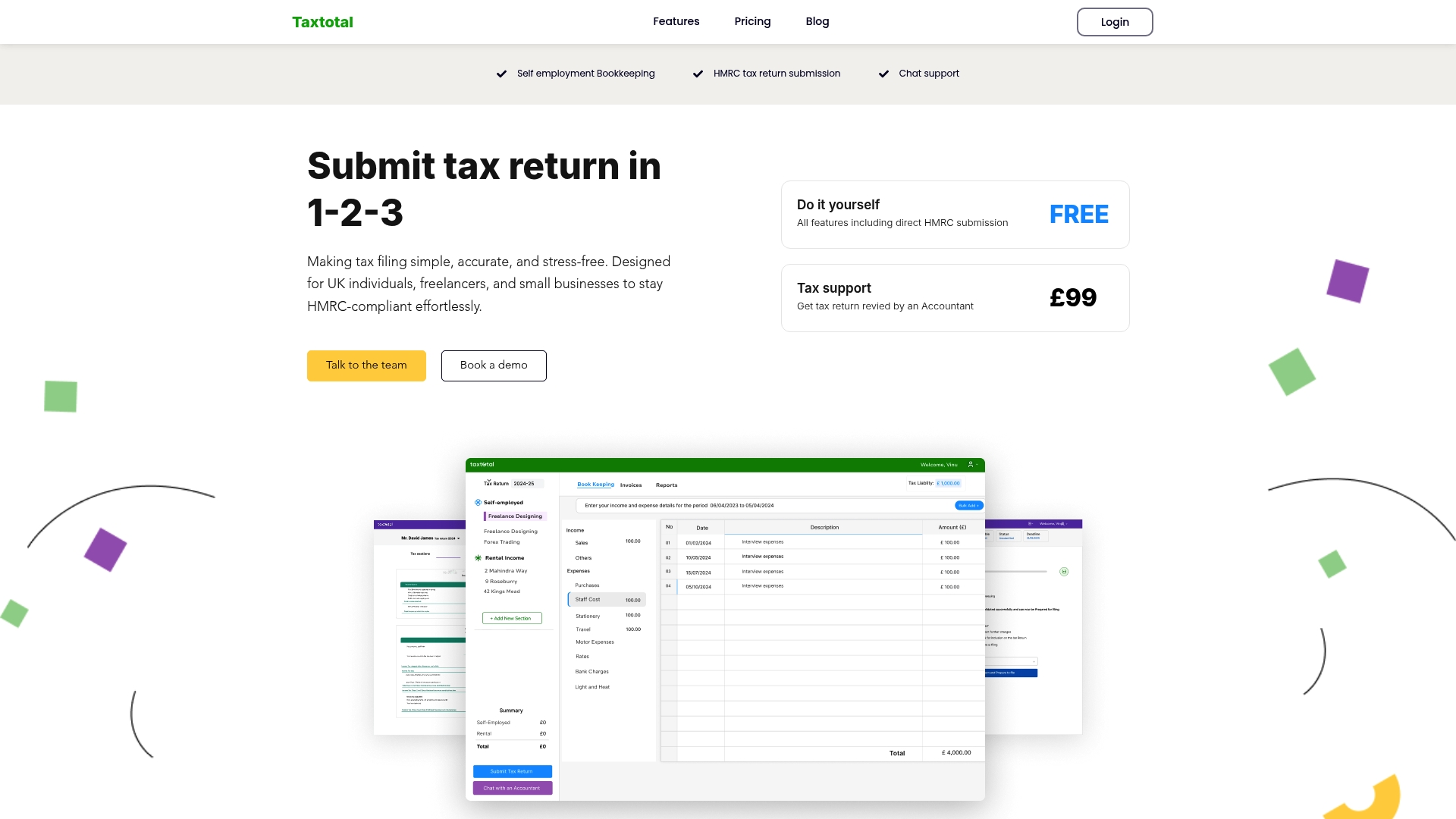
Discover how our platform simplifies your tax journey with real-time calculations, seamless online submissions to HMRC, and expert tax support tailored to your needs. Start managing your deadlines confidently today with Tax Support – Taxtotal and streamline your financial records through our Accounting – Taxtotal tools. Visit Taxtotal.co.uk to take control of your self-employment tax obligations before the next deadline approaches.
Frequently Asked Questions
What are the key tax deadlines for self-employed individuals in 2026?
The key tax deadlines for self-employed individuals in 2026 include the following: register for Self Assessment by 5 October 2025, submit your online tax return by 31 January 2026, pay your tax bill for the previous year also by 31 January 2026, make the second payment on account by 31 July 2026, and submit any paper tax return by 31 October 2026. Mark these dates clearly on your calendar to avoid penalties.
How can I ensure I meet my Self Assessment tax deadlines for 2026?
To ensure you meet your Self Assessment tax deadlines, create a detailed timeline of all important dates and set reminders at least one month before each deadline. Utilise digital calendar alerts to help you stay organised and prepared, reducing last-minute stress.
What happens if I miss a tax deadline in 2026?
If you miss a tax deadline in 2026, you may incur automatic penalties, starting at £100 for late submissions, escalating over time. To avoid these penalties, communicate with HM Revenue and Customs promptly to explain your situation and arrange any necessary actions.
How should I prepare my income and expenses before the 2026 tax deadlines?
To prepare your income and expenses before the 2026 tax deadlines, keep accurate records of all your financial transactions, separating business and personal expenses. Regularly review your financial documents and categorise all allowable expenses to minimise your taxable amount effectively.
What are the benefits of using online platforms for self-employed tax submissions in 2026?
Using online platforms for tax submissions offers numerous benefits, including instant document uploads, automatic calculations of tax liabilities, and enhanced security for your financial data. Opt for electronic filing to streamline your submission process and ensure a smooth experience ahead of deadlines.
When should I consider seeking professional help for my self-employed taxes in 2026?
Consider seeking professional help when your tax situation becomes complex, such as when navigating multiple income sources or allowable expenses. Schedule an initial consultation to discuss your specific needs and understand the potential scope of assistance before the key deadlines.