
Completing a tax return can feel daunting for many British freelancers and sole traders as deadlines approach and paperwork piles up. Understanding Self Assessment is more than an administrative task—it is the gateway to managing your financial future with confidence and accuracy. This guide highlights practical tools and strategies designed to help you file with less stress, avoid costly mistakes, and meet your obligations to HM Revenue and Customs without confusion.
Table of Contents
- Self Assessment: Core Definition And Misconceptions
- Types Of Income Requiring Self Assessment
- Key Features And Deadlines For Filing
- Legal Obligations And Common Triggers
- Risks Of Non-Compliance And Filing Errors
- Benefits Of Accurate And Timely Completion
Key Takeaways
| Point | Details |
|---|---|
| Understanding Self Assessment | Self Assessment is a tax reporting system crucial for UK freelancers and sole traders, requiring accurate income declaration to HM Revenue and Customs (HMRC). |
| Types of Income | Various income sources can trigger Self Assessment, including self-employment profits, rental income, and foreign earnings. |
| Filing Deadlines | Key deadlines for tax returns include registration by 5th October and online submissions by 31st January to avoid penalties. |
| Non-Compliance Risks | Failure to comply with Self Assessment requirements can lead to substantial financial penalties and potential legal consequences. |
Self Assessment: Core Definition and Misconceptions
Understanding Self Assessment is crucial for UK freelancers and sole traders navigating their tax responsibilities. Self Assessment is a tax reporting system where individuals become responsible for declaring their own income and calculating their tax liability directly to HM Revenue and Customs (HMRC).
Contrary to popular belief, Self Assessment isn’t just for traditional self-employed professionals. It applies to multiple financial scenarios, including:
- Individuals with rental income
- Professionals earning income not taxed at source
- People with significant investment earnings
- Contractors working through limited companies
- High-earning individuals with complex tax situations
The core principle of Self Assessment revolves around personal financial transparency. Individual reporting requires accuracy over enhancement, meaning taxpayers must objectively declare their financial information without attempting to manipulate figures.
Many people misunderstand the Self Assessment process, assuming it’s unnecessarily complicated or only applies to specific professions. In reality, it’s a systematic approach allowing individuals to report their complete financial picture accurately. The system ensures everyone pays the correct amount of tax based on their total earnings and allowable expenses.
Self Assessment isn’t a punishment—it’s a structured method for individuals to take direct responsibility for their tax obligations.
Key Misconceptions to Understand:
- Not all self-employed individuals must file
- Low-income earners might be exempt
- PAYE employees can also have Self Assessment requirements
- Filing doesn’t automatically mean owing additional tax
Pro tip: Keep comprehensive financial records throughout the year to simplify your Self Assessment filing process and reduce potential stress during tax season.
Types of Income Requiring Self Assessment
Navigating the complex landscape of Self Assessment requires understanding the various income types that mandate tax reporting. Multiple income streams necessitate tax declarations to ensure accurate financial transparency with HM Revenue and Customs (HMRC).
Self Assessment typically covers diverse income sources, including:
- Salary from employment
- Self-employment profits
- Rental income from properties
- Investment dividends
- Savings interest earnings
- Capital gains
- Foreign income
- Pension payments
- Income from trusts and estates
- Miscellaneous untaxed income
Crucial filing thresholds exist that trigger Self Assessment obligations. Individuals must typically file if they have:
To clarify when Self Assessment becomes necessary, here’s a concise table of common income types and their typical tax treatment:
| Income Type | Typically Taxed at Source | Likely to Require Self Assessment | Special Considerations |
|---|---|---|---|
| Salary (Employment) | Yes (via PAYE) | Only with additional income | Check for untaxed side earnings |
| Self-Employment Profits | No | Yes | Regardless of main occupation |
| Rental Property Income | No | Yes | Must report all rental earnings |
| Investment Dividends | Sometimes | Often | Above annual allowance thresholds |
| Foreign Income | No | Yes | Declare even if taxed abroad |
- Self-employment earnings exceeding £1,000 annually
- Untaxed income over specific legal limits
- Total income surpassing £150,000
- Complex income arrangements involving multiple revenue streams
Not all income is treated equally—each category carries unique reporting requirements and potential tax implications.
Freelancers and sole traders often encounter the most complex Self Assessment scenarios. Additional income sources like consulting work, freelance contracts, or part-time entrepreneurial activities can significantly impact tax reporting responsibilities. Government guidelines outline specific income categorisations that help individuals understand their precise reporting obligations.
Potential Reporting Red Flags:
- Multiple income streams
- Earnings from abroad
- Significant investment returns
- Rental property income
- Inconsistent or irregular earnings
Pro tip: Maintain meticulous financial records throughout the year, categorising each income stream systematically to simplify your eventual Self Assessment submission.
Key Features and Deadlines for Filing
Successful Self Assessment submission hinges on understanding crucial filing deadlines and requirements set by HM Revenue and Customs (HMRC). Navigating these timelines is essential for avoiding costly penalties and maintaining tax compliance.
Key registration and submission deadlines include:
- Register for Self Assessment by 5th October following the tax year end
- Submit paper tax returns by 31st October
- Submit online returns by 31st January
- Pay any outstanding tax by 31st January
Penalty structures for late filing are structured progressively:
- Initial £100 fixed penalty for missing the deadline
- Additional daily penalties after three months
- Increasing financial penalties for prolonged non-compliance
- Potential legal action for repeated defaults
Missing tax return deadlines isn’t just about monetary penalties—it can significantly impact your financial reputation and future opportunities.
Recordkeeping is a fundamental aspect of Self Assessment. Taxation compliance requires maintaining comprehensive financial documentation for at least five years. This includes:
- Income records
- Expense receipts
- Bank statements
- Invoices and contracts
- Investment documentation
Freelancers and sole traders must be particularly vigilant about tracking tax return submission windows to avoid unnecessary financial complications.
Critical Compliance Elements:
- Accurate income reporting
- Timely submission
- Comprehensive documentation
- Proactive deadline management
- Transparent financial declarations
Pro tip: Create digital and physical backup systems for your financial documents, ensuring you have multiple accessible copies in case of unexpected audits or record requests.

Legal Obligations and Common Triggers
Understanding the legal framework surrounding Self Assessment is crucial for UK taxpayers. HMRC’s self-assessment legal requirements establish clear obligations for reporting income and managing tax responsibilities.
Common triggers that necessitate Self Assessment filing include:
- Self-employment income
- Annual earnings exceeding £100,000
- Untaxed income sources
- Capital gains
- Foreign income
- Rental property earnings
- Investment dividends
- Income from trusts
- Company directorship
- Complex financial arrangements
The legal landscape demands precise documentation and transparent financial reporting. Taxpayer obligations involve multiple critical elements that extend beyond simple income declaration:
- Accurate income reporting
- Maintaining comprehensive financial records
- Timely submission of tax returns
- Payment of accurate tax amounts
- Proactive communication with tax authorities
Non-compliance isn’t merely a paperwork issue—it can result in significant financial penalties and potential legal investigations.
Potential Legal Consequences of improper Self Assessment include:
- Substantial financial penalties
- Interest charges on unpaid taxes
- Potential criminal prosecution for deliberate non-compliance
- Reputational damage
- Risk of comprehensive tax audits
Freelancers and sole traders must be particularly vigilant about understanding their unique legal obligations, as their income streams often involve more complex reporting requirements.
Critical Legal Compliance Factors:
- Complete financial transparency
- Precise income categorisation
- Timely and accurate reporting
- Comprehensive record maintenance
- Proactive tax management
Pro tip: Consider consulting a tax professional annually to ensure your Self Assessment filing meets all current legal requirements and captures all potential deductions.
Risks of Non-Compliance and Filing Errors
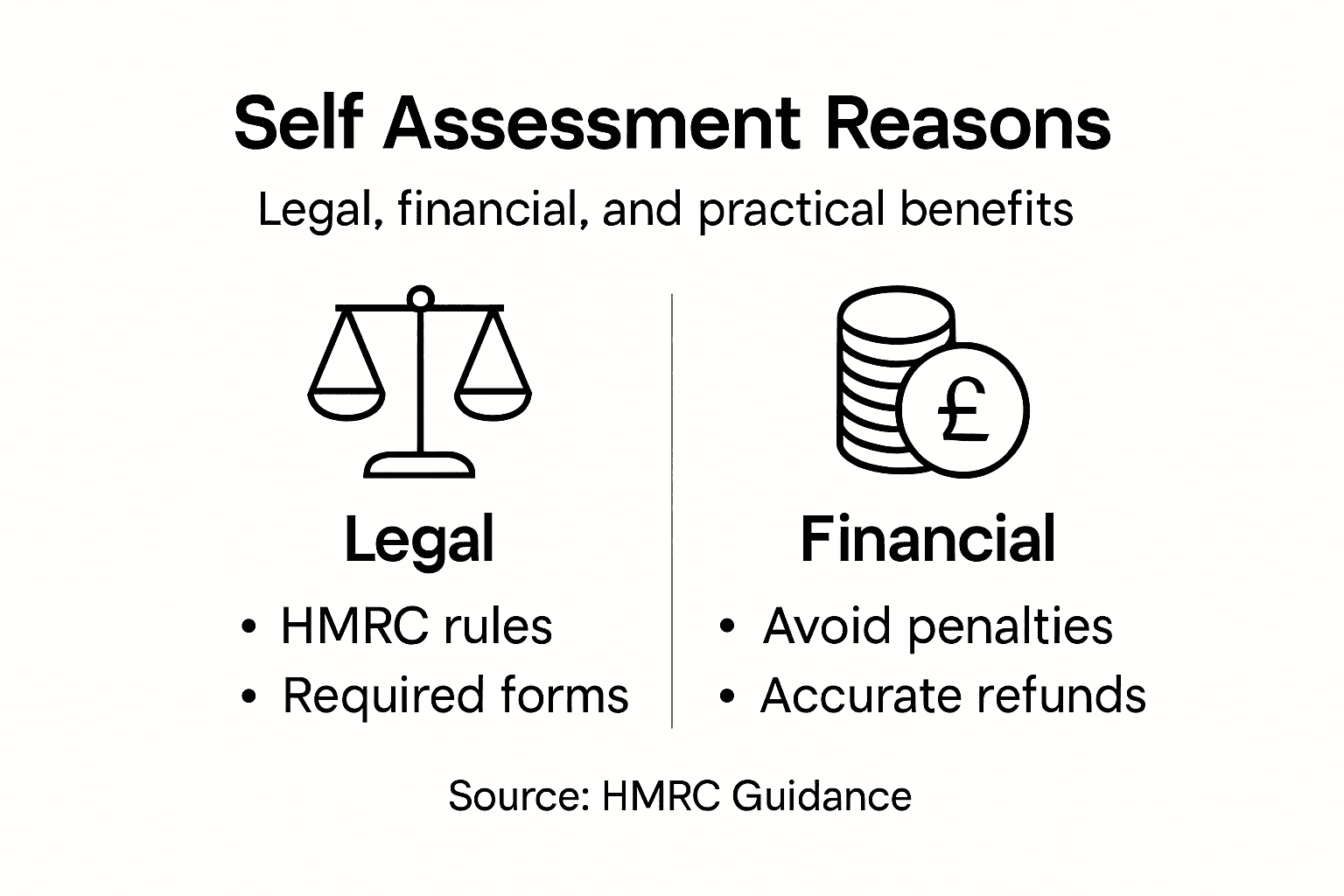
Non-compliance with Self Assessment requirements can trigger significant financial and legal consequences that extend far beyond simple administrative penalties. Understanding these risks is crucial for maintaining fiscal integrity and avoiding potentially devastating financial repercussions.
The potential penalties for Self Assessment errors and late filing are structured progressively:
- Initial £100 automatic penalty
- Additional daily charges after three months
- Escalating financial penalties at 6-month intervals
- Potential legal prosecution for deliberate non-compliance
Key risks associated with non-compliance include:
- Substantial monetary fines
- Accumulating interest charges
- Potential legal investigations
- Reputational damage
- Loss of business credibility
- Increased future tax scrutiny
A single filing error can trigger a cascade of financial and legal complications that may take years to resolve.
HMRC’s penalty framework is designed to ensure strict adherence to tax reporting requirements. The consequences range from financial penalties to potential criminal investigations for repeated or deliberate non-compliance.
Specific Filing Error Risks:
- Inaccurate income reporting
- Missed reporting deadlines
- Incomplete financial documentation
- Deliberate or accidental misrepresentation
- Failure to declare all income sources
Freelancers and sole traders face particularly complex compliance landscapes, with multiple income streams increasing the potential for inadvertent errors.
Critical Error Prevention Strategies:
- Maintain meticulous financial records
- Double-check all reported figures
- Seek professional tax advice
- Use reliable accounting software
- Stay informed about current tax regulations
Pro tip: Create a dedicated digital folder with all financial documents and set multiple reminders well in advance of tax return deadlines to prevent last-minute filing stress and potential errors.
This summary table outlines common mistakes versus best practices for Self Assessment filing:
| Common Mistake | Potential Impact | Recommended Practice |
|---|---|---|
| Missed filing deadline | Fines and interest | Set reminders for key dates |
| Incomplete income reporting | Legal scrutiny and penalties | Double-check all sources regularly |
| Poor recordkeeping | Loss of evidence for deductions | Organise documents digitally and on paper |
| Guessing figures | Inaccurate tax and possible audit | Use precise figures and consult experts |
| Ignoring HMRC correspondence | Missed updates, higher penalties | Respond promptly to any queries |
Benefits of Accurate and Timely Completion
Accurate and timely Self Assessment filing offers substantial advantages for freelancers and sole traders. Early tax return preparation provides strategic financial benefits that extend well beyond simple regulatory compliance.
Key advantages of precise and punctual Self Assessment include:
- Improved tax liability understanding
- Access to comprehensive tax reliefs
- Faster potential tax repayments
- Enhanced financial planning capabilities
- Reduced filing stress
- Minimised risk of penalties
- Greater financial transparency
The strategic benefits of early and accurate filing are multifaceted:
- Better cash flow management
- More time for tax planning
- Reduced administrative burden
- Enhanced financial forecasting
- Improved relationship with HMRC
Proactive tax management is not just about meeting legal requirements—it’s about taking control of your financial narrative.
Precise record-keeping supports comprehensive tax reporting and demonstrates financial responsibility to tax authorities. Maintaining meticulous documentation helps substantiate income claims and potential deductions.
Strategic Filing Benefits:
- Early issue resolution
- Potential tax savings
- Simplified audit processes
- Enhanced financial credibility
- Reduced administrative complexity
Freelancers and sole traders can transform Self Assessment from a bureaucratic obligation into a strategic financial tool by approaching it methodically and proactively.
Proactive Filing Strategies:
- Gather documents throughout the year
- Use digital tracking tools
- Maintain systematic financial records
- Review tax regulations regularly
- Consider professional consultation
Pro tip: Create a dedicated digital folder and monthly reminder system to collect and organise financial documents, making your annual Self Assessment preparation smooth and stress-free.
Simplify Your Self Assessment Filing with Taxtotal.co.uk
Managing complex tax obligations as a freelancer or sole trader can be overwhelming, especially when balancing multiple income streams and strict HMRC deadlines. The article highlights key challenges like accurate income reporting, timely submission, and legal compliance — all vital to avoid costly penalties and unwanted stress. If you want to take control of your Self Assessment journey without the usual confusion or errors, a streamlined solution is essential.
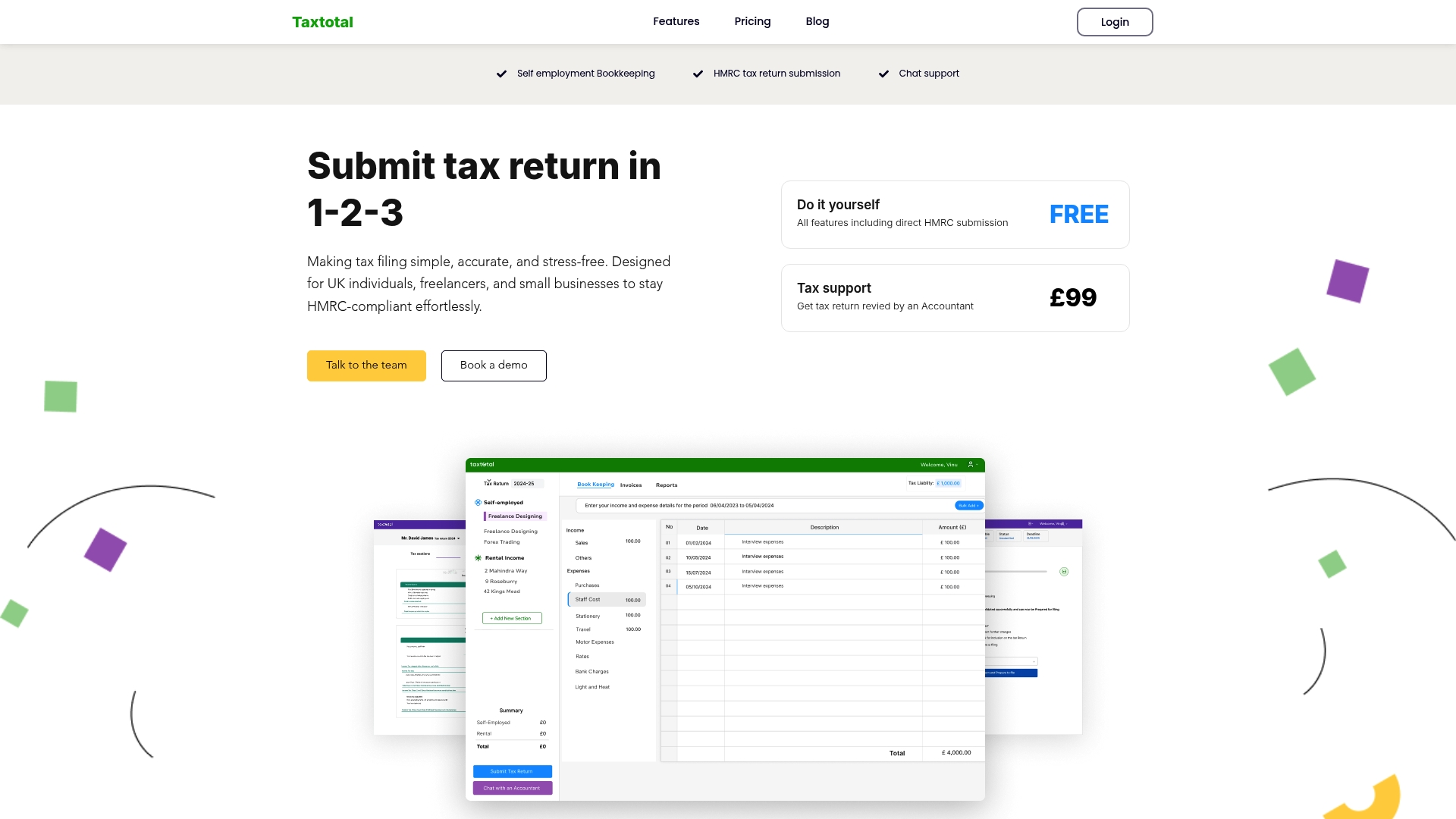
Experience hassle-free Self Assessment with Taxtotal.co.uk. Our easy-to-use platform guides you step-by-step through entering income, expenses, and other financial details. Benefit from real-time tax calculations, built-in error checks, and direct submission to HMRC ensuring your filings are both accurate and on time. Whether you prefer managing your taxes independently or with professional review, Taxtotal.co.uk offers the perfect mix of simplicity, compliance, and support. Don’t wait until deadlines and penalties loom — start organising your tax returns today and experience peace of mind by visiting Taxtotal.co.uk.
Frequently Asked Questions
What is Self Assessment?
Self Assessment is a tax reporting system where individuals are responsible for declaring their own income and calculating their tax liability directly to HM Revenue and Customs (HMRC).
Who needs to file a Self Assessment tax return?
Individuals with various income sources such as self-employment profits, rental income, investment earnings, or annual earnings exceeding certain thresholds are typically required to file a Self Assessment tax return.
What are the key deadlines for Self Assessment filing?
Key deadlines include registering for Self Assessment by 5th October following the tax year end, submitting paper returns by 31st October, online returns by 31st January, and paying any outstanding tax by 31st January.
What are the consequences of not complying with Self Assessment requirements?
Non-compliance can lead to financial penalties, accruing interest charges on unpaid taxes, legal investigations, reputational damage, and increased scrutiny from tax authorities.
Recommended
- Tax Return for Self Assessment – What you need to know – Taxtotal
- 9 important reasons why accounting is important for a business? – Taxtotal
- Tips for preparing your Self Assessment tax return – Taxtotal
- How To Register for Self Assessment with HMRC? – Taxtotal
- What is a Financial Plan? Understanding Its Importance – Finblog
- A Focused But Simple 7-Step Financial Checklist
- Why File Tax Returns – Compliance and Peace of Mind