
Facing annual tax returns can feel daunting for sole traders in the United Kingdom, especially with changing rules and strict reporting deadlines. HM Revenue and Customs acts as the gatekeeper for business registration, tax collection, and compliance, so understanding its function is a priority for anyone running their own venture. This article sheds light on the roles and processes that HMRC oversees for sole traders, helping you avoid mistakes, meet legal requirements, and confidently manage your Self Assessment duties.
Table of Contents
- Defining HMRC’s Function for Sole Traders
- Registering as a Sole Trader with HMRC
- Understanding Tax Obligations and Self Assessment
- Making Tax Digital and Digital Record-Keeping
- Risks, Penalties, and Common Mistakes
Key Takeaways
| Point | Details |
|---|---|
| Understanding HMRC’s Role | HMRC is essential for sole traders, overseeing tax obligations and compliance in the UK. |
| Importance of Registration | Registering for Self Assessment is mandatory for those earning over £1,000 annually to track tax liabilities accurately. |
| Navigating Tax Obligations | Sole traders must maintain detailed records and submit accurate annual Self Assessment tax returns to avoid penalties. |
| Transition to Digital | The Making Tax Digital initiative requires sole traders to adopt digital record-keeping for streamlined tax submissions from April 2026. |
Defining HMRC’s Function for Sole Traders
HM Revenue and Customs (HMRC) plays a crucial regulatory role for sole traders in the United Kingdom, serving as the primary government agency responsible for managing tax obligations and ensuring compliance. Understanding HMRC’s function is essential for every self-employed individual navigating the complex landscape of business taxation.
HMRC’s primary responsibilities for sole traders include:
- Registering Businesses: Overseeing the official registration process for self-employed individuals
- Tax Collection: Managing income tax and National Insurance contributions
- Compliance Monitoring: Tracking financial reporting and enforcing tax regulations
- Guidance Provision: Offering resources and support for tax-related queries
The organisation requires sole traders to register for Self Assessment if their annual income exceeds £1,000, ensuring proper tracking of tax liabilities and contributions. This registration process helps HMRC maintain accurate records and enables individuals to meet their legal tax obligations.
Under UK tax law, HMRC mandates that sole traders maintain comprehensive business records, submit accurate Self Assessment tax returns annually, and pay appropriate taxes on time. The agency provides multiple channels for reporting income, including online submission platforms and traditional paper-based methods, accommodating different preferences and technological capabilities.
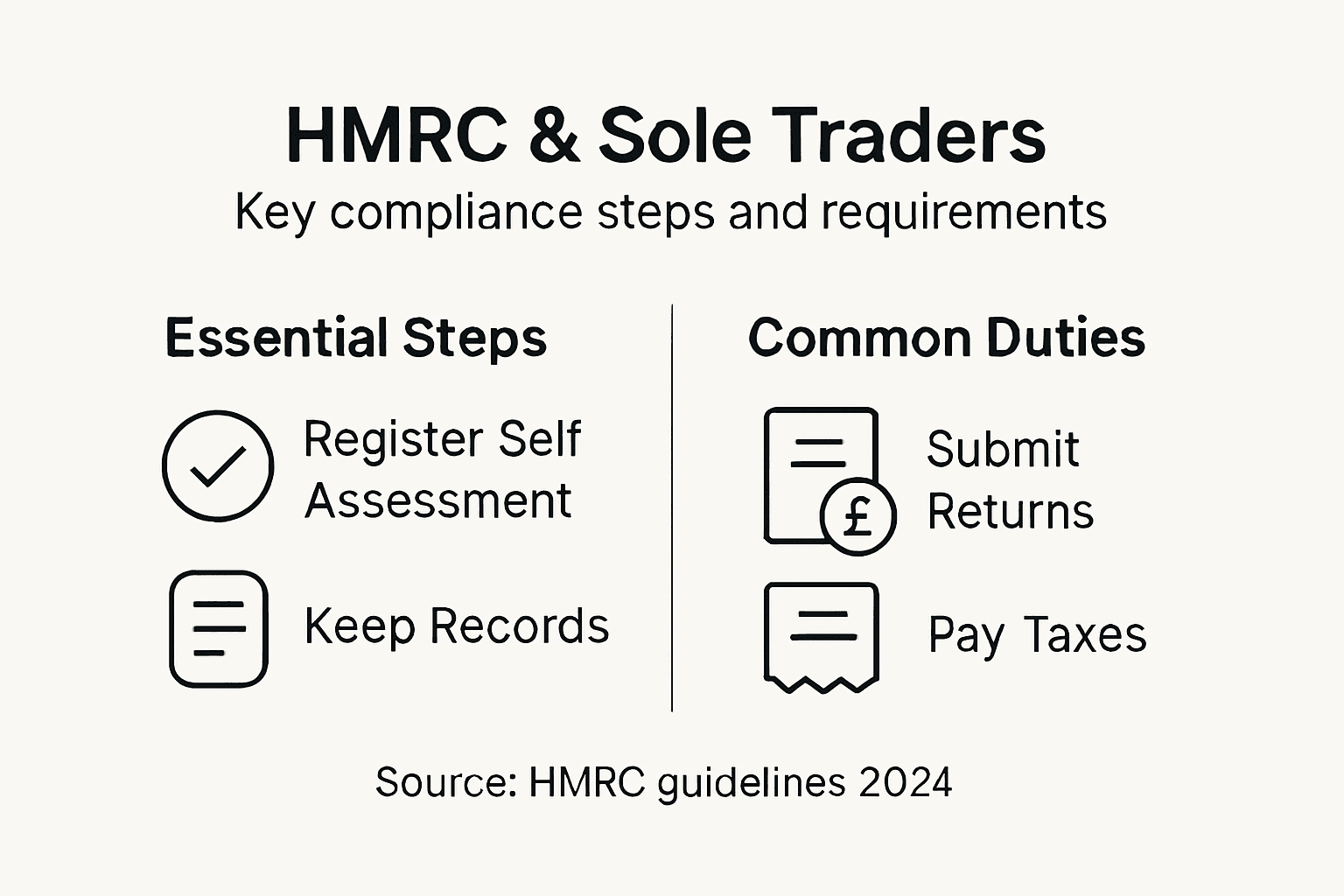
Here is a summary comparing the key functions of HMRC for sole traders and their impact on daily business activities:
| HMRC Function | Practical Business Impact | Result for Sole Traders |
|---|---|---|
| Tax collection | Accurate reporting of income | Avoids penalties, builds credibility |
| Compliance monitoring | Consistent record-keeping needed | Reduces audit risks, ensures legality |
| Guidance provision | Access to official resources | Faster problem resolution |
| Mandatory registration | Official business recognition | Enables legal trading and contracts |
Pro tip: Keep digital copies of all financial documents and maintain a systematic record-keeping approach to streamline your interactions with HMRC and simplify your annual tax reporting process.
Registering as a Sole Trader with HMRC
Registering as a sole trader with HMRC is a critical first step for individuals looking to operate their own business in the United Kingdom. The registration process is straightforward but requires careful attention to detail to ensure compliance with tax regulations and avoid potential penalties.
To become a registered sole trader, you must complete the Self Assessment registration with HMRC before specific deadlines. The key registration requirements include:
- Providing your full National Insurance number
- Declaring your business start date
- Submitting accurate personal and business information
- Registering by 5 October following the tax year you begin trading
The registration process involves gathering several essential documents and personal details. Unique Taxpayer Reference (UTR) is a crucial identifier issued by HMRC after successful registration, which you’ll need for future tax communications and submissions. Individuals must register if their annual business earnings exceed £1,000, making the process mandatory for most self-employed professionals.

Once registered, sole traders become legally recognised businesses with specific tax obligations. HMRC provides multiple registration channels, including online portals and traditional paper-based methods, accommodating different technological preferences. The registration confirms your status, enables tax reporting, and ensures you can legally conduct business as a self-employed individual.
Pro tip: Prepare all necessary personal and financial documents in advance to streamline your HMRC registration process and avoid potential delays or complications.
Understanding Tax Obligations and Self Assessment
As a sole trader, navigating the complexities of tax obligations is crucial for maintaining financial compliance and avoiding potential penalties from HMRC. Self Assessment tax returns represent the primary mechanism through which self-employed individuals report their annual income and tax liabilities to the government.
The key tax obligations for sole traders encompass several critical elements:
- Reporting total business income
- Calculating taxable profit
- Declaring allowable business expenses
- Paying Income Tax on profits
- Making National Insurance contributions
- Submitting annual tax returns by specified deadlines
Most sole traders will need to pay two types of National Insurance contributions: Class 2 and Class 4. These contributions are calculated based on your annual business profits and determine your eligibility for state pension and other social security benefits. The specific rates and thresholds change annually, so staying informed about current requirements is essential for accurate tax planning.
Successful compliance involves maintaining detailed financial records, understanding allowable expenses, and submitting your Self Assessment tax return accurately and on time. HMRC provides various resources and guidance to help sole traders navigate their tax responsibilities, including online tools and support channels to assist with calculations and submissions.
Pro tip: Create a dedicated business bank account and use digital accounting software to track income and expenses systematically, making your annual Self Assessment preparation much smoother.
Making Tax Digital and Digital Record-Keeping
HM Revenue and Customs is transforming tax reporting through the Making Tax Digital initiative, a comprehensive digital transformation aimed at modernising how sole traders manage their tax obligations. This strategic approach requires businesses to maintain digital records and submit tax information through compatible software platforms.
The key components of Making Tax Digital (MTD) for sole traders include:
- Mandatory digital record-keeping throughout the tax year
- Quarterly updates to HMRC via approved digital tools
- Elimination of manual tax return processes
- Enhanced transparency in financial reporting
- Reduced potential for human error
- Simplified tax submission mechanisms
From 6 April 2026, eligible sole traders will be required to adopt digital record-keeping systems that integrate directly with HMRC’s platforms. Digital accounting software becomes crucial, enabling real-time tracking of income, expenses, and tax liabilities. These digital tools not only facilitate compliance but also provide sole traders with more immediate insights into their financial performance.
The transition to digital record-keeping represents a significant shift in how self-employed individuals manage their tax responsibilities. HMRC’s approach aims to streamline tax reporting, reduce administrative burdens, and create a more efficient, transparent taxation system for small businesses and sole traders.
The table below contrasts traditional tax reporting with Making Tax Digital for sole traders:
| Process Aspect | Traditional Method | Making Tax Digital Approach |
|---|---|---|
| Record-keeping | Manual/paper records | Digital records and software |
| Submission frequency | Annually | Quarterly digital updates |
| Risk of errors | Higher due to human input | Lower with system automation |
| HMRC interaction | By post or online portal | Integrated digital platform |
Pro tip: Invest in cloud-based accounting software that is MTD-compatible and offers automatic bank feed integration to simplify your digital record-keeping process.
Risks, Penalties, and Common Mistakes
Sole traders must navigate a complex landscape of potential risks and penalties for tax non-compliance. Understanding these challenges is crucial for maintaining financial integrity and avoiding costly mistakes that could jeopardise your business’s stability.
Common risks and potential penalties for sole traders include:
- Late Self Assessment filing
- Initial £100 penalty
- Additional daily penalties after 3 months
- Inaccurate income reporting
- Potential fines up to 100% of unpaid tax
- Interest charges on outstanding amounts
- Missing tax registration deadlines
- Automatic financial penalties
- Potential legal complications
- Incomplete financial record-keeping
- Increased risk of HMRC investigations
- Potential retrospective tax assessments
Personal liability represents a significant risk for sole traders. Unlike limited companies, sole traders are financially responsible for all business debts and potential tax discrepancies. This means your personal assets could be at risk if you fail to manage your tax obligations correctly.
Maintaining meticulous financial records, submitting accurate tax returns, and meeting all HMRC deadlines are essential strategies for mitigating these risks. Regular financial reviews, professional accounting support, and proactive tax planning can help sole traders navigate these potential pitfalls and maintain compliance.
Pro tip: Set calendar reminders for key tax deadlines and maintain a separate business bank account to simplify financial tracking and reduce the risk of compliance errors.
Simplify Your Tax Compliance with Expert Support from Taxtotal
Navigating HMRC’s requirements as a sole trader can feel overwhelming. From timely Self Assessment registration to accurate tax returns and embracing Making Tax Digital, the challenges of staying compliant are real. You need a solution that eases the burden of record-keeping, ensures precise calculations, and protects you from costly penalties.
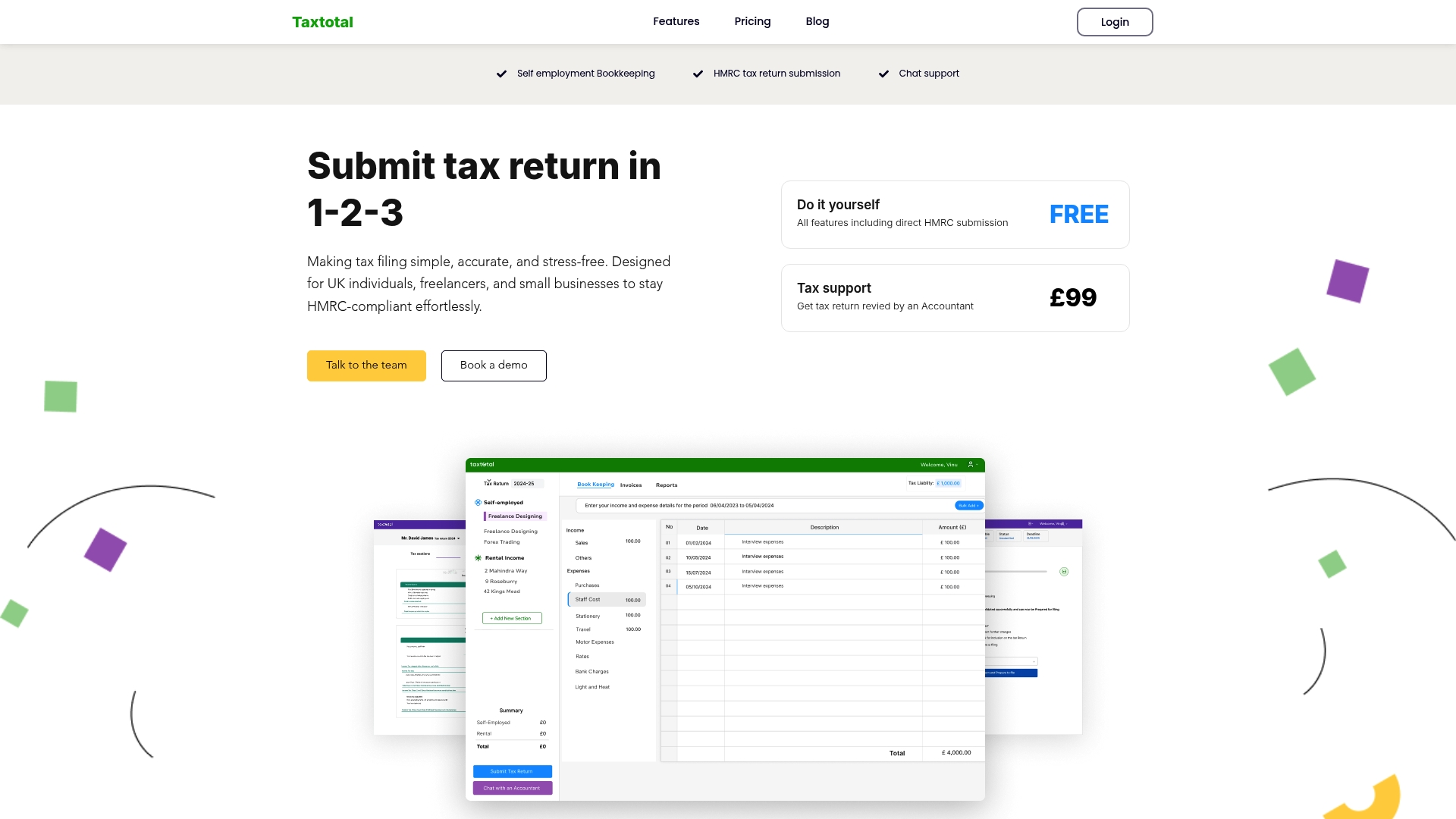
Take control today with Taxtotal.co.uk, the trusted UK platform designed specifically for self-employed professionals. Benefit from intuitive tools that guide you through your tax journey with ease, real-time updates to keep you informed, and expert Tax Support – Taxtotal to resolve your queries promptly. Whether you want hands-on accounting help or a simple interface for independent filing, our Accounting – Taxtotal solutions have you covered. Avoid penalties, save time, and gain peace of mind now by visiting Taxtotal.co.uk and starting your compliant tax journey today.
Frequently Asked Questions
What is the role of HMRC for sole traders?
HMRC is responsible for registering businesses, collecting taxes, monitoring compliance, and providing guidance for sole traders in the UK.
How do I register as a sole trader with HMRC?
To register, you need to complete the Self Assessment registration by providing your National Insurance number, declaring your business start date, and submitting relevant personal and business information by the deadline of 5 October following the tax year you begin trading.
What are my tax obligations as a sole trader?
As a sole trader, you must report your business income, calculate taxable profit, declare allowable expenses, pay Income Tax, make National Insurance contributions, and submit annual Self Assessment tax returns by the specified deadlines.
What is Making Tax Digital and how does it affect sole traders?
Making Tax Digital requires sole traders to maintain digital records and submit tax information through approved software platforms. This initiative aims to streamline tax reporting and minimise the risk of errors.