
Building reliable income streams as a sole trader can feel overwhelming when you are juggling legal requirements, tax responsibilities, and the need to find consistent work. With so many possible paths, it is easy to get lost and miss out on income opportunities that suit your skills and business structure. You need straightforward guidance to spot the approaches that actually work in the United Kingdom.
This list reveals practical ways you can earn as a sole trader, from professional services to online product sales, and beyond. You will see what counts as regular trading, when you need to register with HMRC, and what it means to run your own business under UK rules. Get ready to discover income strategies you might not have considered yet. Each method offers clear steps to help you stay compliant and build your earning power with confidence.
Table of Contents
- Freelance Work and Contract Projects
- Selling Goods and Products Online
- Offering Professional Services
- Monetising Creative Content and Intellectual Property
- Affiliate Marketing and Referral Commissions
- Investment and Rental Income Streams
- Grants, Government Schemes and Support
Quick Summary
| Key Message | Explanation |
|---|---|
| 1. Treat Freelancing as a Business | Approach your freelance work professionally, maintaining clear contracts and client relationships for long-term success. |
| 2. Register as Self-Employed | Ensure compliance with tax regulations by officially registering with HMRC and keeping meticulous financial records. |
| 3. Understand Online Selling Regulations | Transition from casual selling to a business model by recognising legal obligations and registering as a sole trader when necessary. |
| 4. Leverage Government Support | Explore grants and funding schemes available to sole traders to enhance business growth and navigate economic challenges effectively. |
| 5. Maintain Digital Records for Tax Purposes | Keep organised records of all transactions to simplify reporting and meet tax obligations related to your freelance or business income. |
1. Freelance Work and Contract Projects
Freelance work and contract projects represent a powerful income stream for sole traders in the United Kingdom, offering flexibility and diverse earning opportunities. Unlike traditional employment, freelancing allows you to leverage your professional skills across multiple clients and industries.
In the UK, freelancing is a legitimate business model where you provide services to multiple organisations on a project or contract basis. This work can span numerous sectors including:
- Digital design and web development
- Content writing and copywriting
- Marketing and social media management
- Consulting and professional advisory services
- Photography and creative arts
- IT and technical support
- Business coaching and training
Understanding the legal framework is crucial when establishing yourself as a freelancer. The legal aspects of freelance contracts in the United Kingdom emphasise creating clear business-to-business relationships with your clients.
Successful freelancing requires treating your work as a professional business, not just a casual side hustle.
To maximise your freelance income, consider diversifying your client base and developing a strong professional network. Platforms like LinkedIn, industry-specific job boards, and professional networking events can help you connect with potential clients.
When setting your rates, research market standards for your specific skill set and experience level. Many successful freelancers start by charging competitive rates and gradually increase their pricing as they build a robust portfolio and reputation.
Remember that working for yourself involves specific tax responsibilities. You must register as self-employed with HMRC and maintain accurate records of all income and expenses.
Pro tip: Develop a comprehensive contract template that clearly outlines your services, payment terms, and project deliverables to protect both yourself and your clients.
2. Selling Goods and Products Online
Selling goods and products online has become an increasingly popular income stream for sole traders in the United Kingdom, offering flexibility and access to a global marketplace. This digital entrepreneurship allows you to transform your creative skills or product ideas into a profitable business venture.
When transitioning from casual selling to a structured online business, it is crucial to understand the legal requirements. Setting up as a sole trader involves several important considerations:
- Registering your business with HMRC
- Maintaining accurate financial records
- Understanding your tax obligations
- Complying with consumer protection laws
- Managing VAT responsibilities if your turnover exceeds the threshold
Not all online selling constitutes a business – the key is regular trading with the intention of making a profit.
Popular platforms for online selling include:
- Etsy for handmade and vintage items
- eBay for diverse product ranges
- Amazon Marketplace for broader reach
- Shopify for creating independent online stores
- Facebook Marketplace for local and niche sales
Understanding when your selling activity becomes a business venture is critical. Working for yourself guidelines indicate that occasional sales differ from regular trading. If you are consistently selling items with the intention of making a profit, you must register as a sole trader.
To maximise your online selling potential, develop a strategic approach. Research your market, understand pricing strategies, invest in quality product photography, and provide excellent customer service. Consider specialising in a niche market to differentiate yourself from competitors.
Pro tip: Keep meticulous digital records of all your online sales transactions, including purchase costs, shipping expenses, and platform fees to simplify your annual tax reporting.
3. Offering Professional Services
Offering professional services as a sole trader represents a dynamic and potentially lucrative income stream for skilled individuals across various sectors. From consulting and coaching to specialised trade skills, professional services enable you to monetise your expertise directly.
Self-employed contractors have unique opportunities to develop their professional service offerings. Unlike traditional employment, you control your work scope, clients, and pricing strategies.
Professional service categories include:
- Management consulting
- Business coaching
- IT and technology support
- Marketing and digital strategy
- Legal advisory services
- Financial planning
- Design and creative services
- Training and professional development
Professional services succeed through demonstrating expertise, building trust, and delivering consistent value.
To establish yourself effectively, working for yourself requires understanding several key considerations:
- Develop a clear service offering
- Set competitive pricing
- Create professional marketing materials
- Build a robust portfolio
- Network strategically
- Maintain excellent client relationships
Professional credibility depends on consistently delivering high-quality services. This means understanding your market, continuously upgrading your skills, and maintaining professional standards.
Successful professional service providers invest time in personal branding, digital presence, and client relationship management. Your reputation becomes your most valuable business asset.
Pro tip: Invest in professional indemnity insurance to protect your business and provide additional credibility when offering professional services.
4. Monetising Creative Content and Intellectual Property
Creative content represents a powerful income stream for sole traders in the United Kingdom, offering innovative ways to transform your artistic and intellectual work into sustainable revenue. Intellectual property is not just a legal concept it is a valuable asset that can generate significant financial returns.
Intellectual property rights provide multiple monetisation strategies for creative professionals. These rights protect and enable you to profit from your original works across various domains.
Potential creative content income streams include:
- Digital artwork licensing
- Stock photography and videography
- Music and sound effect production
- Writing and publishing e-books
- Online course creation
- Graphic design templates
- Software and app development
- Digital illustration and design assets
Your creative work has inherent value beyond its initial creation.
To effectively monetise your intellectual property, consider these strategic approaches:
- Register your copyrights
- Develop a diverse portfolio
- Use multiple distribution platforms
- Create scalable digital products
- Implement licensing strategies
Digital platforms offer unprecedented opportunities for creators to reach global audiences and generate passive income. Websites like Shutterstock, Creative Market, and Udemy provide channels to sell digital assets internationally.
Understanding legal protection mechanisms is crucial. Copyright automatically protects original works, but formal registration can provide additional legal safeguards and credibility when commercialising your content.
Pro tip: Watermark your digital content and maintain comprehensive records of your intellectual property to simplify potential future licensing or legal proceedings.
5. Affiliate Marketing and Referral Commissions
Affiliate marketing represents a dynamic income stream that allows sole traders to earn commissions by recommending products and services they genuinely believe in. This digital marketing strategy transforms your professional network and online presence into a potential revenue generator.
The core principle of affiliate marketing is simple: you promote other businesses’ products and earn a percentage of sales generated through your unique referral links. This model creates a win-win scenario for both marketers and businesses.
Popular affiliate marketing channels include:
- Personal blogs and websites
- Social media platforms
- YouTube content
- Podcast channels
- Email marketing newsletters
- Instagram and Pinterest
- Professional networking platforms
Strategic affiliate marketing is about trust and genuine recommendations.
To succeed in affiliate marketing, consider these key strategies:
- Choose products aligned with your expertise
- Build authentic audience trust
- Disclose affiliate relationships transparently
- Create valuable content around recommendations
- Track and analyse performance metrics
Niche selection is crucial for affiliate marketing success. Focus on areas where you have genuine expertise and credibility. Your audience will appreciate honest, informed recommendations.
Most affiliate programmes offer commission structures ranging from 5% to 50% depending on the product and industry. Some digital products like software and online courses often provide higher commission rates compared to physical goods.
Understand the legal requirements of affiliate marketing. Transparency about commercial relationships is essential and required by advertising standards regulations.
Pro tip: Select affiliate programmes that offer recurring commissions to create more sustainable passive income streams.
6. Investment and Rental Income Streams
Investment and rental income streams represent sophisticated income opportunities for sole traders seeking to diversify their financial portfolios beyond traditional service-based revenues. These passive income channels can provide substantial supplementary earnings with strategic planning and management.
Paying tax on rental income requires careful understanding of UK regulations and reporting requirements. Sole traders have multiple investment avenues to generate additional revenue streams.
Key investment and rental income opportunities include:
- Residential property rentals
- Commercial property leasing
- Stock market investments
- Dividend-paying shares
- Government and corporate bonds
- Real estate investment trusts
- Peer-to-peer lending platforms
- Index fund investments
Successful investment income requires consistent strategy and informed decision-making.
To optimise investment and rental income, consider these strategic approaches:
- Understand tax implications
- Diversify investment portfolio
- Research market trends
- Maintain comprehensive financial records
- Consider professional financial advice
Rental property management demands meticulous attention to legal and financial details. Sole traders must track rental income, manage property-related expenses, and comply with tax reporting requirements.
Investment income can provide more predictable revenue compared to project-based earnings. Developing a balanced investment strategy helps mitigate financial risks associated with fluctuating sole trader incomes.
Pro tip: Consult a qualified tax professional to understand specific tax obligations and potential deductions related to your investment and rental income streams.
7. Grants, Government Schemes and Support
Government grants and support schemes represent a crucial financial lifeline for sole traders in the United Kingdom, offering strategic opportunities to fund business growth and navigate economic challenges. These resources can provide essential financial breathing room during critical business development stages.
Business finance support offers numerous avenues for sole traders seeking additional funding and resources. Understanding these opportunities can significantly impact your business sustainability and expansion potential.
Key government support mechanisms include:
- Start-up loans
- Innovation grants
- Regional development funds
- Sector-specific funding programmes
- COVID-19 recovery grants
- Research and development tax credits
- Export support schemes
- Skills development funding
Government support is not charity it is an investment in economic potential.
To successfully access government support, follow these strategic steps:
- Research available programmes
- Check specific eligibility criteria
- Prepare comprehensive business documentation
- Submit applications meticulously
- Follow up on application status
Funding opportunities vary significantly across different regions and business sectors. Some grants target specific industries like technology, green energy, or creative sectors, while others support general business development.
Most government schemes require detailed business plans, financial projections, and clear evidence of potential economic impact. Thorough preparation is key to successful grant applications.
Pro tip: Create a dedicated folder with all necessary business documents to streamline your grant and support scheme application processes.
Below is a comprehensive table summarising the key content of the article, outlining various income streams and their characteristics for sole traders in the United Kingdom.
| Income Stream | Description | Relevant Strategies |
|---|---|---|
| Freelance Work and Contract Projects | Providing professional services across industries on a per-project basis. | Establish clear contracts, diversify clients, and maintain sound taxation practices. |
| Selling Goods and Products Online | Selling physical or digital items via global online platforms. | Research the market, comply with consumer and tax laws, and specialise in niche markets. |
| Offering Professional Services | Offering personalised advice or expertise in various professional fields. | Build a strong brand, maintain client trust, and invest in industry-relevant insurance. |
| Monetising Creative Content and Intellectual Property | Transforming original creative works into sources of income through licensing or sales. | Register copyrights, use global platforms, and implement scalable solutions. |
| Affiliate Marketing and Referral Commissions | Earning commissions by promoting products to an audience through affiliate programmes. | Dual-pursue niche interests and build trustworthy content promoting chosen products. |
| Investment and Rental Income Streams | Developing passive income through property rentals or financial investments. | Diversify investment portfolios, seek professional advice, and understand tax regulations. |
| Grants, Government Schemes and Support | Securing funding or assistance from government offers tailored for various business needs. | Research eligibility, meticulously submit applications, and sustain proper financial documentation. |
This table provides a summarised guide for leveraging diverse income-generating opportunities effectively and strategically.
Simplify Your Sole Trader Tax Journey with Taxtotal
Navigating the diverse income streams of a sole trader in the United Kingdom can be complex and overwhelming. Whether you are juggling freelance projects, online sales, or professional services, understanding your tax responsibilities is essential for staying compliant and maximising profitability. Many sole traders face the challenge of accurately recording income, managing expenses, and submitting Self Assessment tax returns without expert accounting knowledge.
At Taxtotal, we understand these pain points and offer tailored solutions designed specifically for self-employed individuals. Our platform brings clarity and confidence to your tax management process by providing a user-friendly interface that guides you through entering all your income sources, whether from selling goods, investing, or affiliate marketing. Benefit from features like real-time tax calculation, error checking, and direct submission to HMRC. Discover how our Tax Support services can reduce your stress and avoid costly mistakes while you focus on growing your business.
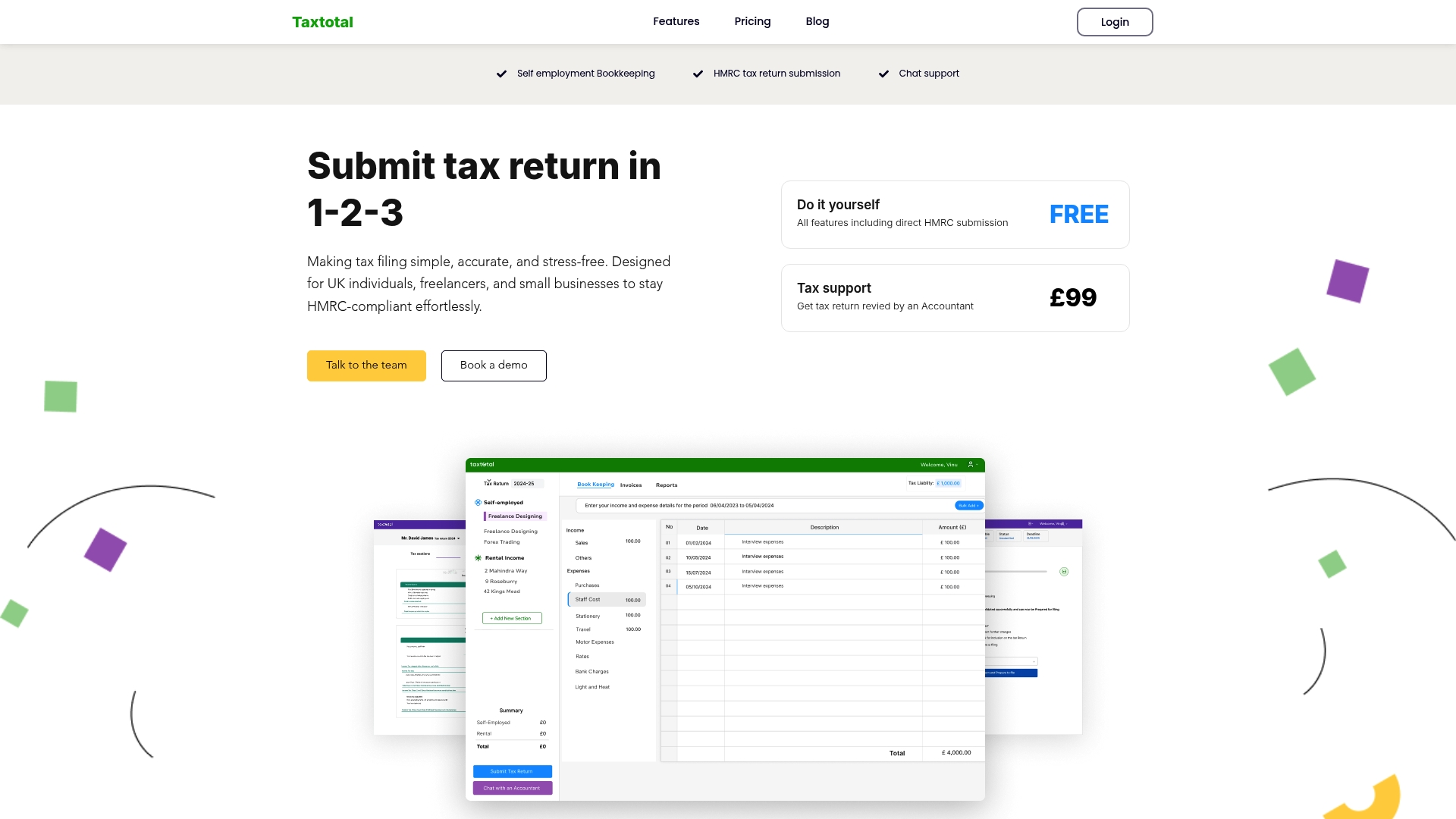
Take control of your financial compliance today by exploring our specialised tools for self-employed professionals. Visit Accounting – Taxtotal and learn how seamless tax management complements your entrepreneurial journey. Don’t wait until the tax deadline approaches – start simplifying your tax affairs now at https://taxtotal.co.uk.
Frequently Asked Questions
How can I start earning income as a sole trader in the UK?
To begin earning income as a sole trader, register with HMRC, allowing you to legally operate your business. Once registered, consider identifying your service offerings, setting competitive rates, and networking to attract clients within the first few months.
What tax obligations should I be aware of as a sole trader?
As a sole trader, you must file a Self-Assessment tax return each year and pay Income Tax on your profits. Maintain meticulous financial records to simplify your tax calculations, ensuring you comply with deadlines and avoid penalties.
How can I effectively sell products online as a sole trader?
To effectively sell products online, choose a platform that fits your product type, such as Etsy for handmade items or eBay for a general marketplace. Research your market, enhance your product photography, and develop a compelling marketing strategy to boost sales within your first few months.
What are the best strategies for monetising creative content as a sole trader?
To monetise creative content, consider licensing your work, creating digital products, or offering courses related to your expertise. Develop a diverse portfolio and explore various distribution platforms to maximise your reach and income potential.
How do I secure government grants as a sole trader?
To secure government grants, research available programmes relevant to your business sector and ensure you meet their eligibility criteria. Prepare thorough documentation outlining your business plans and submit your application carefully to improve your chances of approval.
How can affiliate marketing generate income for my sole trader business?
Affiliate marketing can generate income by promoting products or services through your channels and earning commissions on sales. Focus on building an authentic audience, selecting products aligned with your expertise, and tracking your performance metrics to refine your strategy.